The Home Detox Co.Get your Home Exposure Report
Chapter 01·The plastics report

Kitchen

Heat plus plastic equals leaching. Five interfaces every home has, none of them necessary.

A 2022 NIST study estimated that a typical household plastic cutting board sheds 7 to 50 grams of microplastic per person per year, directly into food being prepped on it. A 2019 McGill study found that a single nylon pyramid teabag releases roughly 11.6 billion microplastic particles into the cup at brewing temperature. The kitchen is where plastic and heat meet most often, and where the daily dose is hardest to argue with.

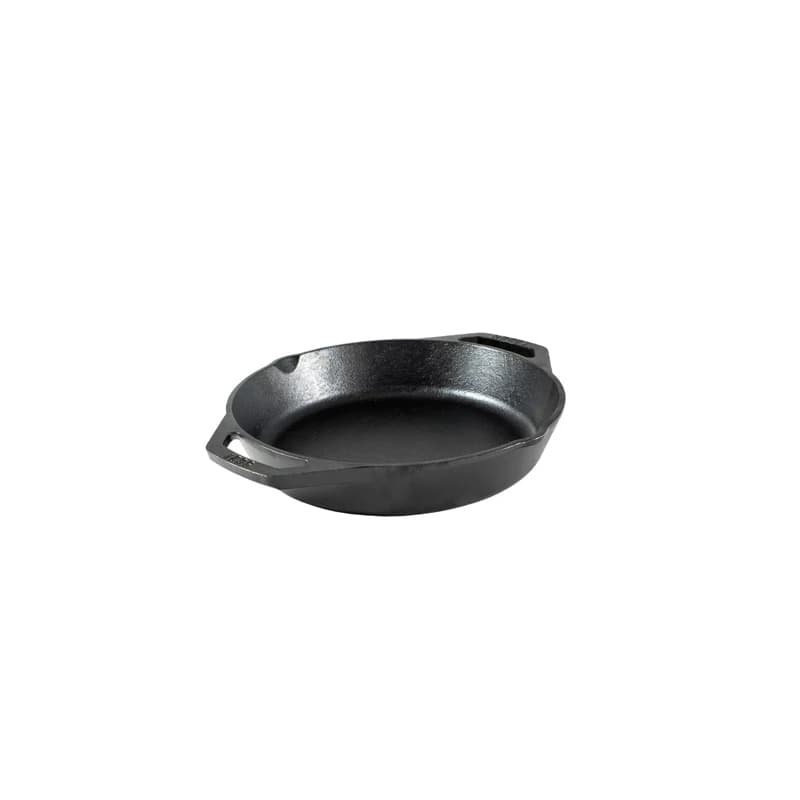
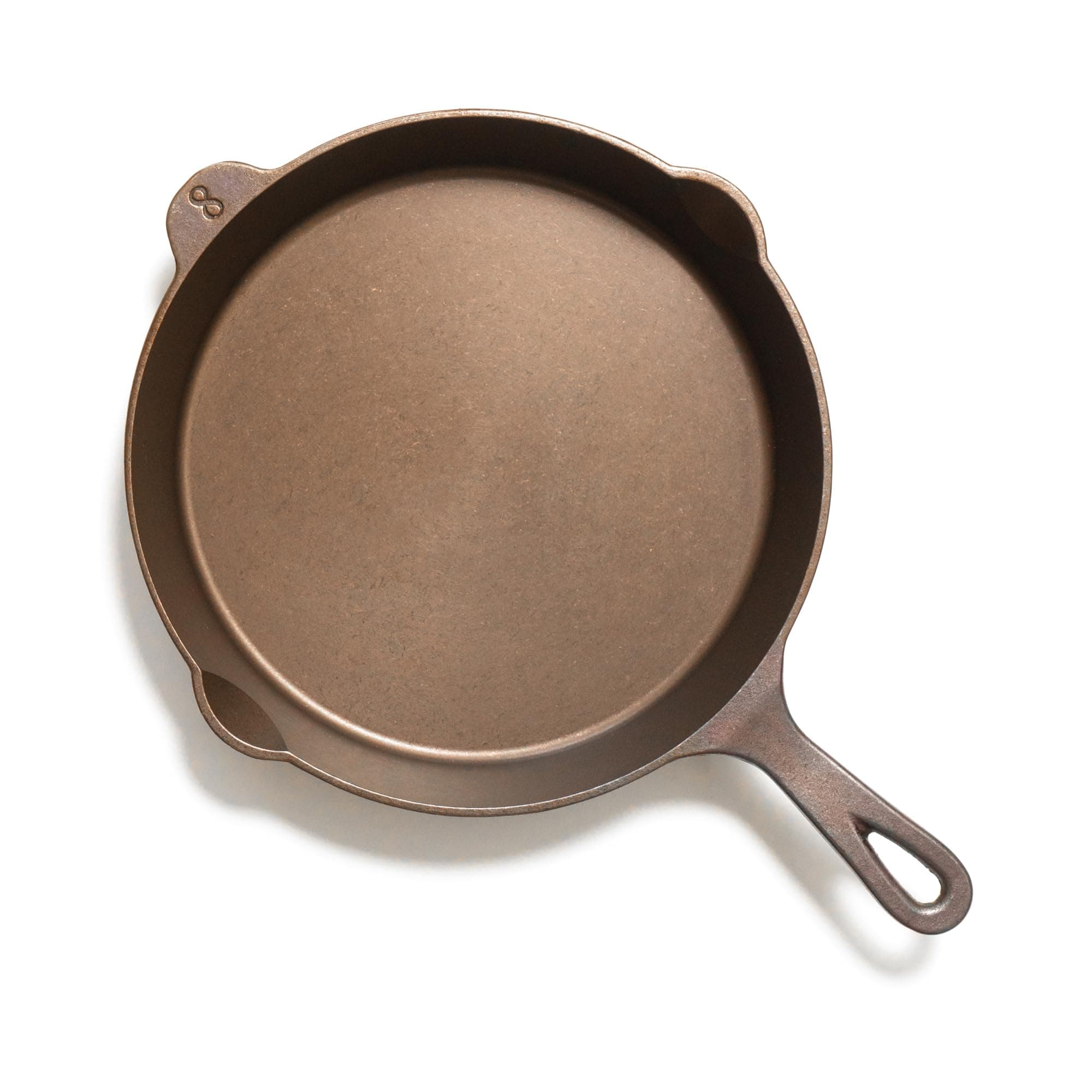
We're not interested in the ceramic-coating wars. The brands change formulas, the chemistry isn't independently audited, and a Lodge skillet that lasts a generation costs less than three rounds of replacing whatever is in the cabinet now. The fifteen picks below are the materials restaurants have used for a hundred years: cast iron, stainless, carbon steel, solid ceramic, hardwood, glass.

What earns a spot

  • Cookware made of one material, not coated (cast iron, stainless, carbon steel, solid ceramic)
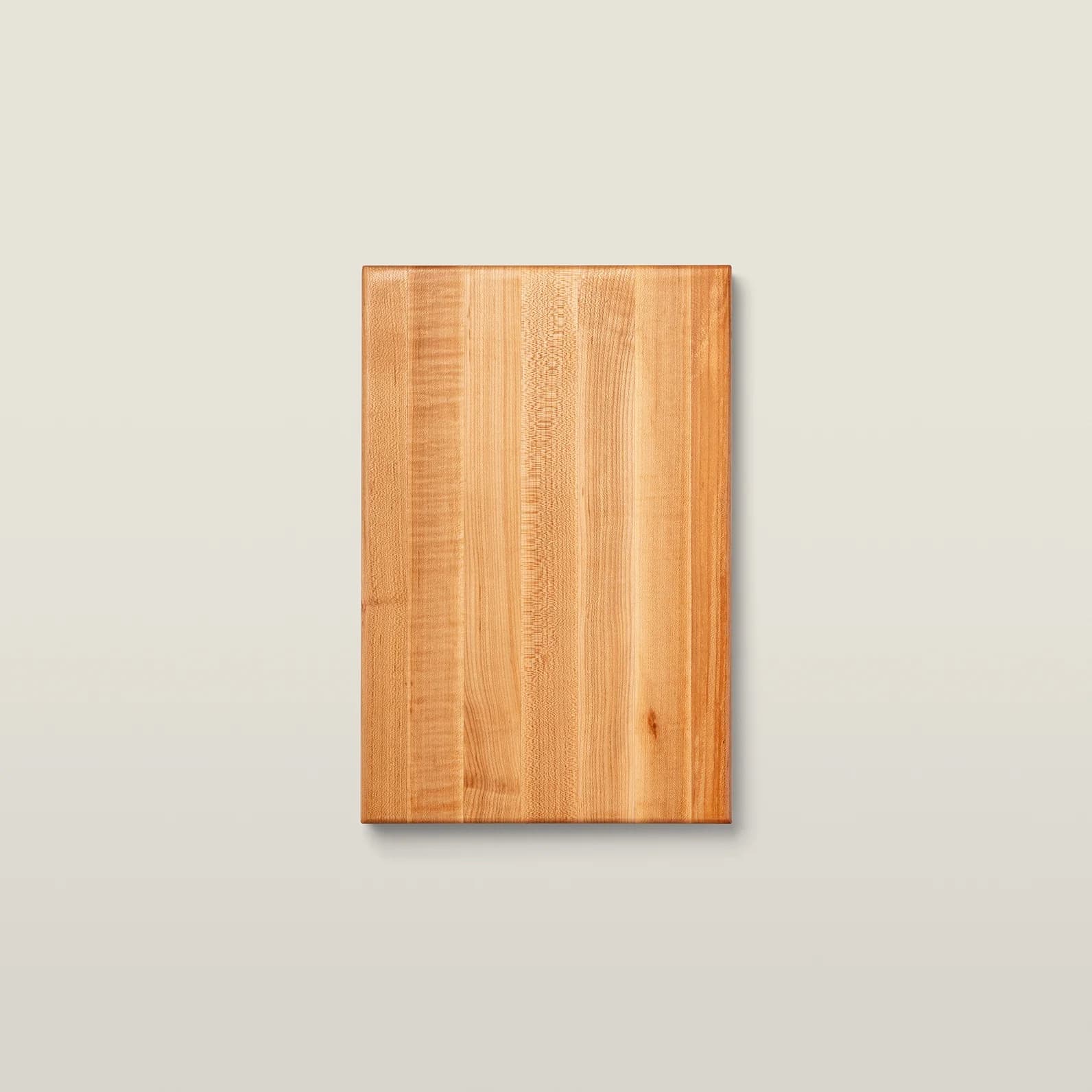
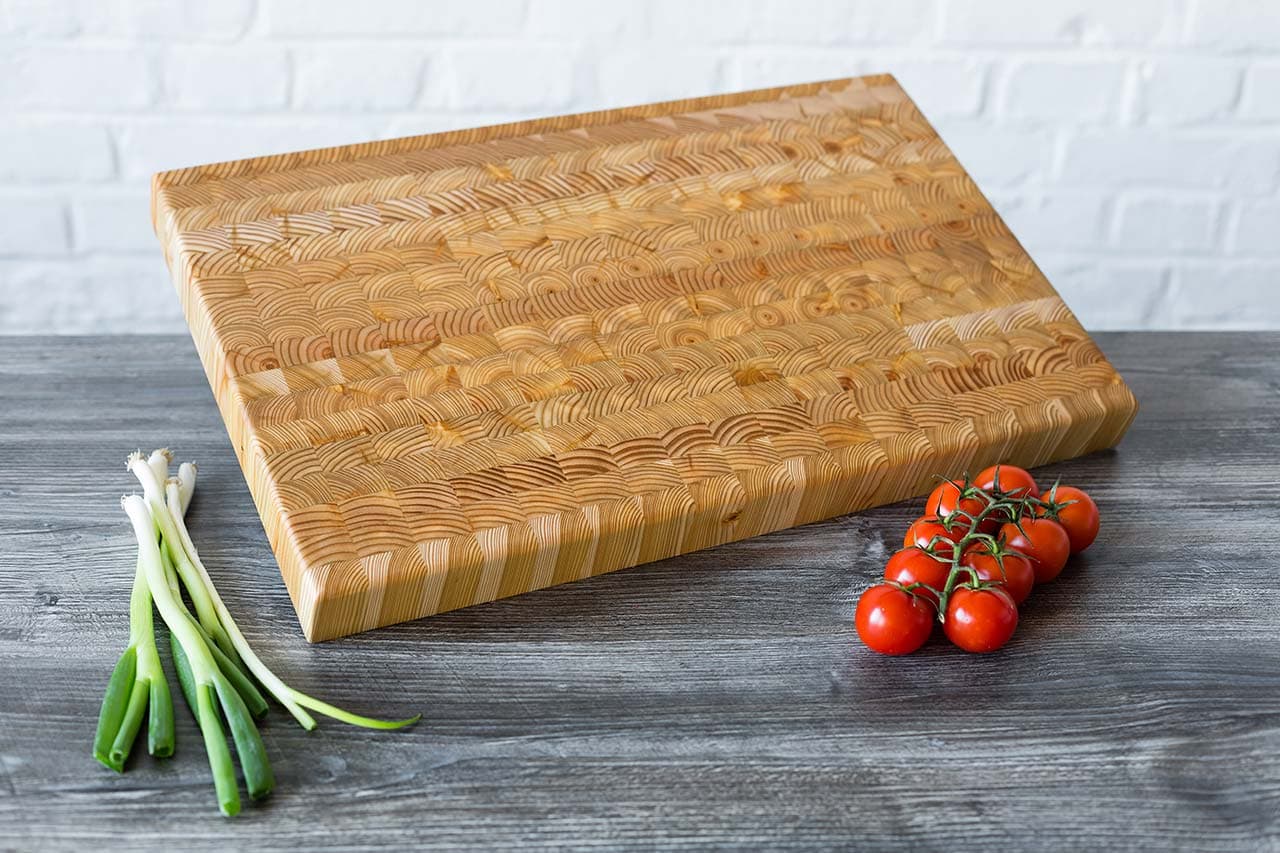
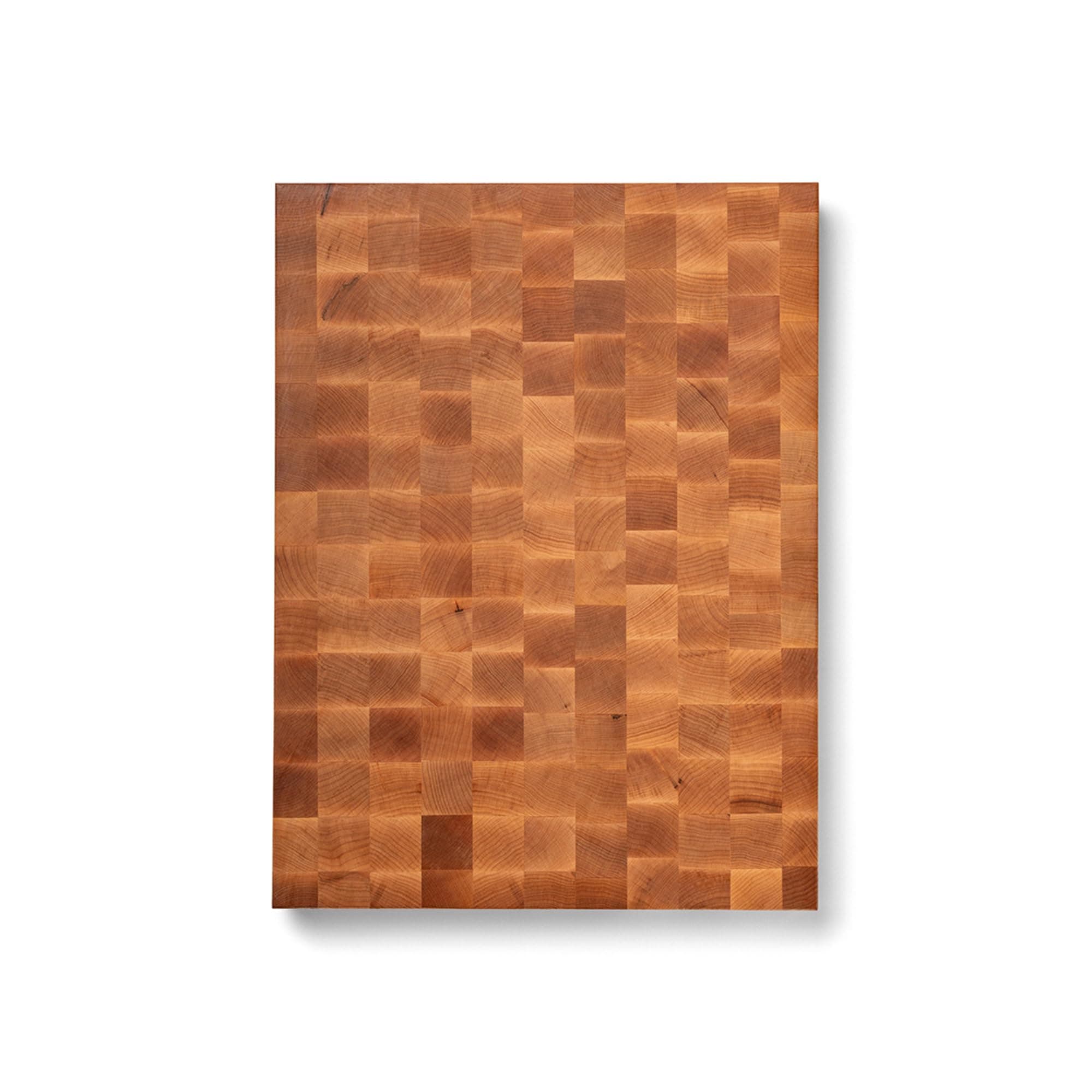
  • Hardwood at the cutting interface, end-grain preferred for self-healing under daily knife work
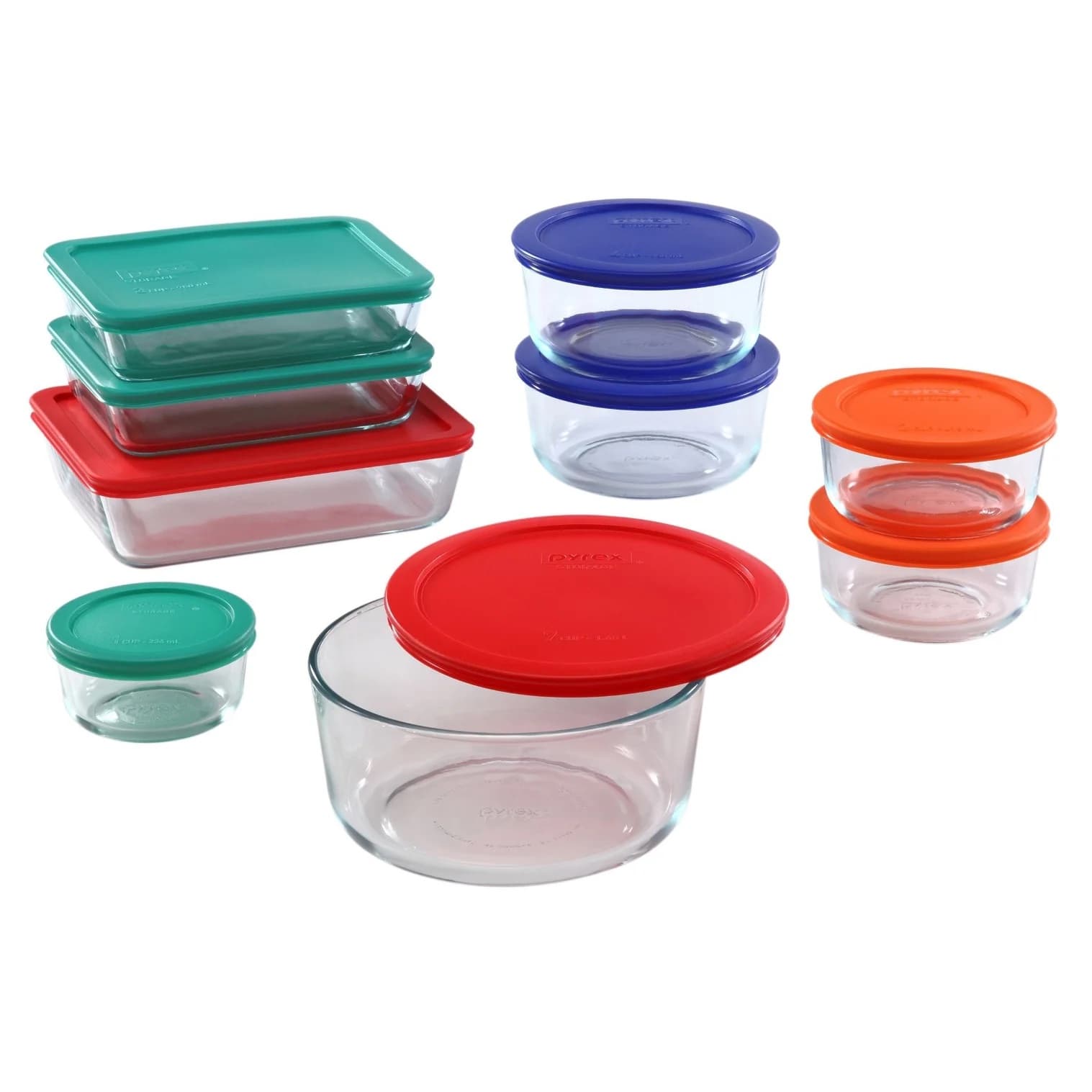
  • Glass body, platinum silicone, or stainless for any container that touches hot food

What gets rejected

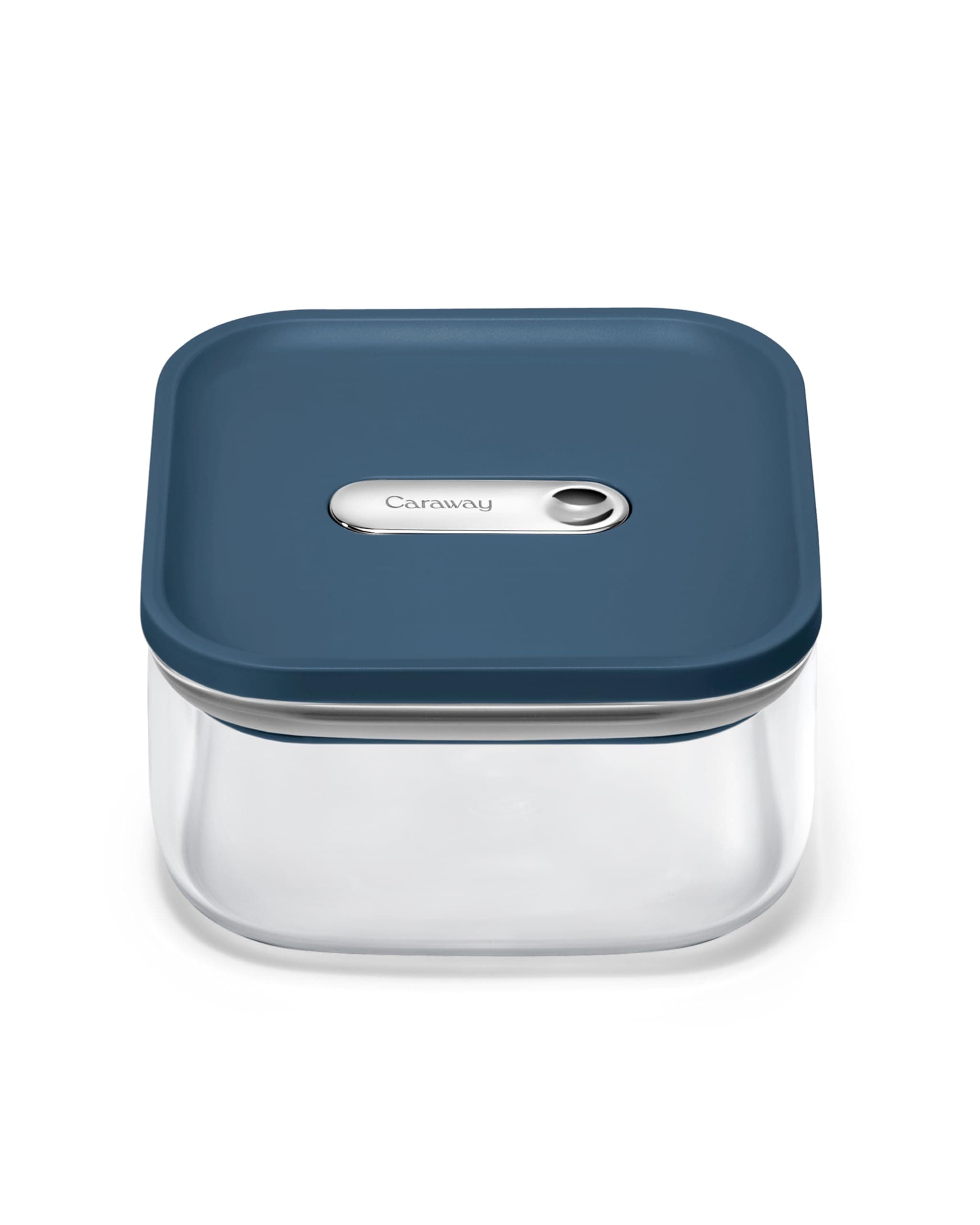
  • Older Teflon and current "ceramic-coated nonstick" pans (Caraway, GreenPan, Always Pan): proprietary chemistry, no independent audit
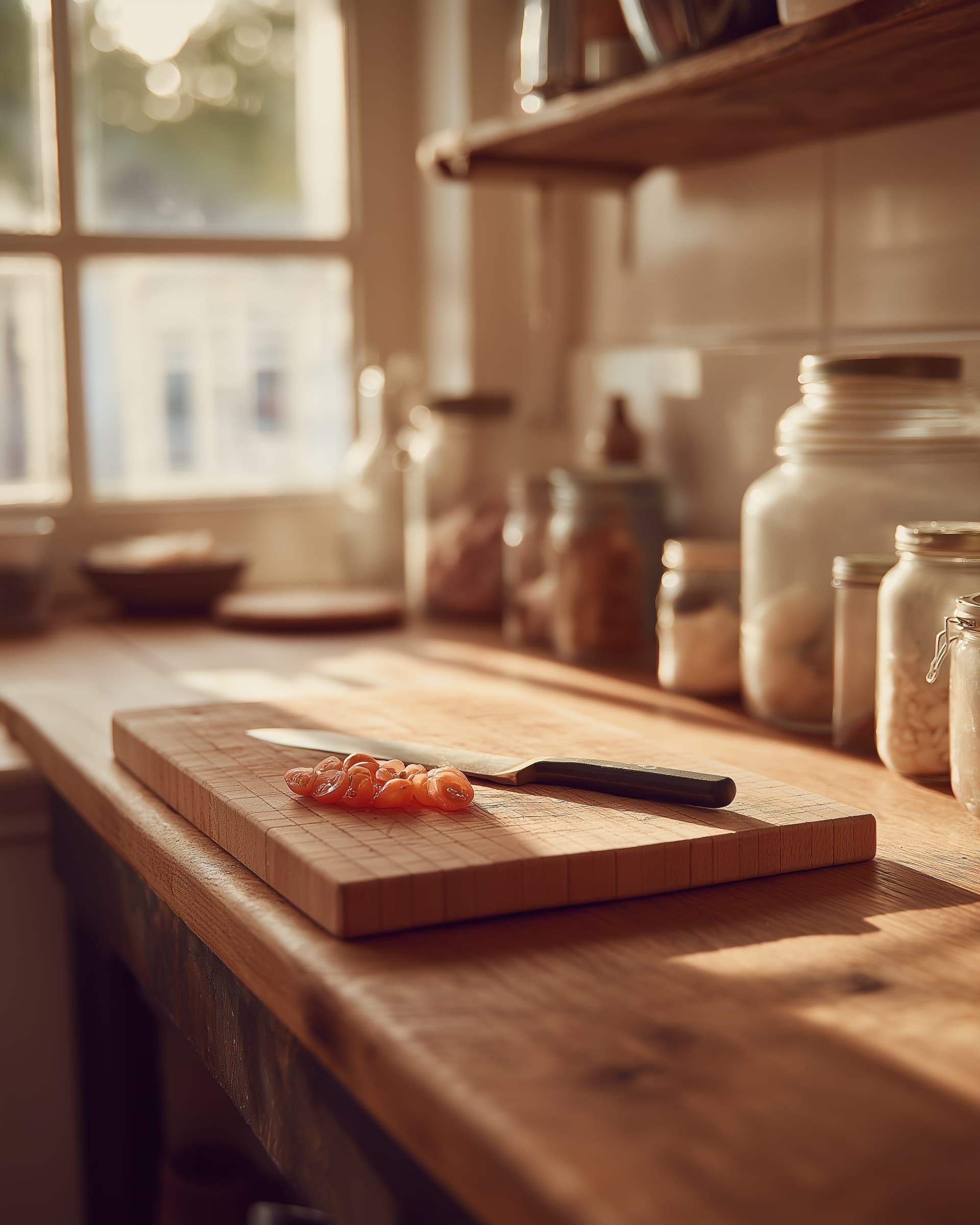
  • Plastic cutting boards (NIST 2022, ~50 grams of microplastic shed per person per year)
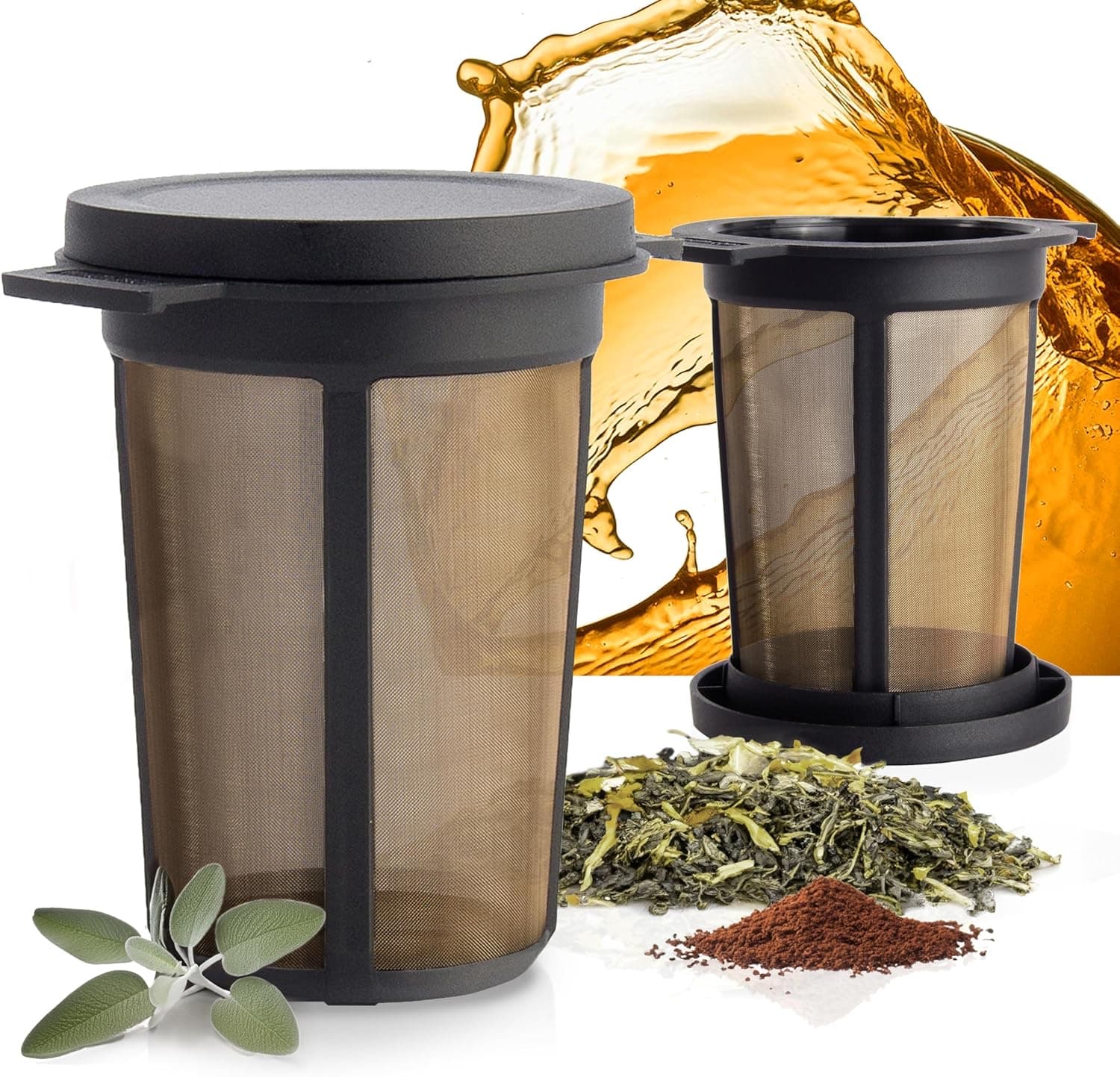
  • Pyramid or silken teabags (McGill 2019, ~11.6 billion particles per cup) and single-pod coffee machines
  • Black plastic kitchen tools (Amsterdam 2024, flame retardants from recycled electronics that leach at cooking temperatures)

The picks

What we'd buy ourselves.

pan

9 picks
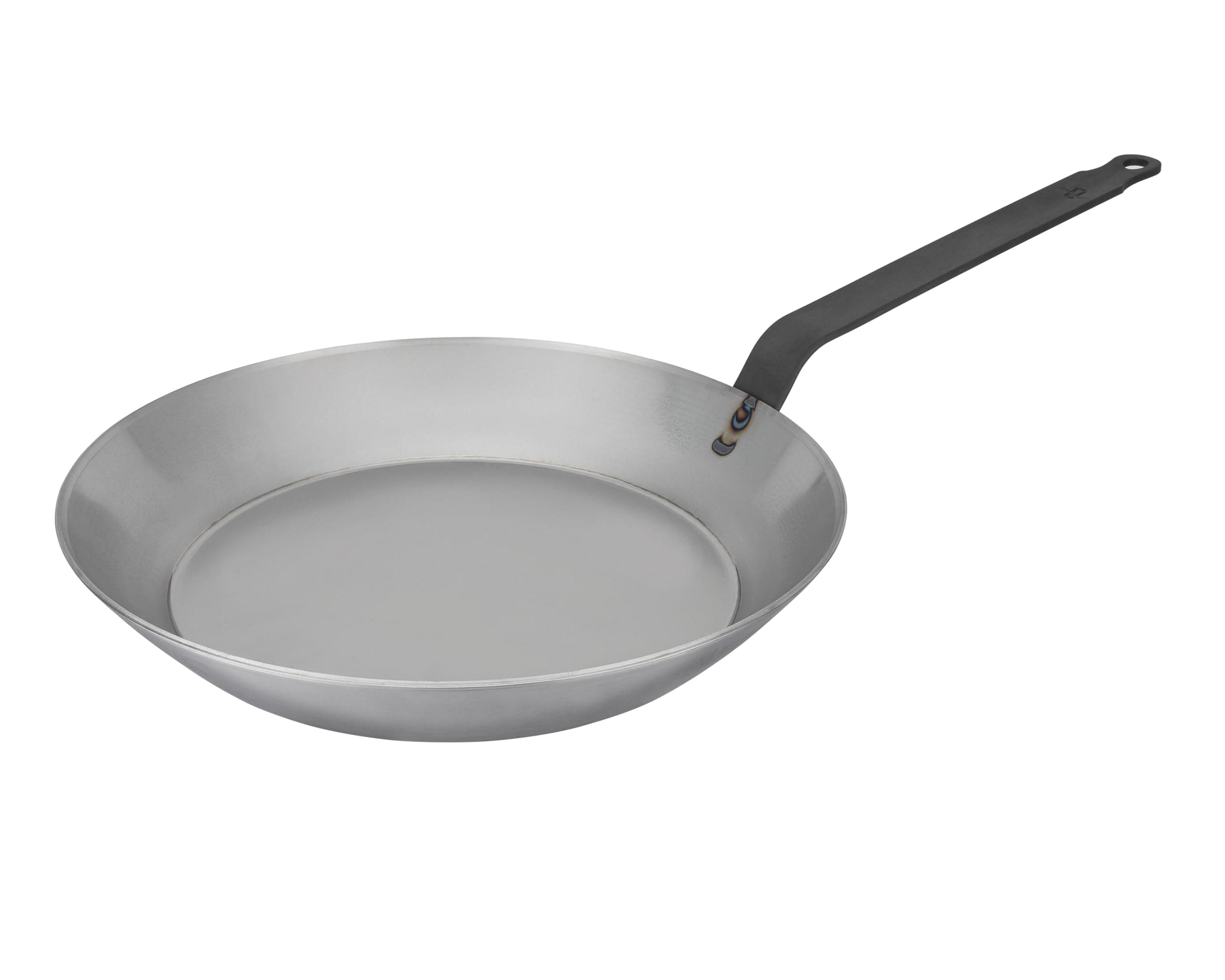
Matfer Bourgeat Carbon Steel 11"Our pick
pan

Matfer Bourgeat Carbon Steel 11"

Our pick for the everyday pan. Restaurant-grade carbon steel: same zero-coating chemistry as cast iron, half the weight, seasons in two cooks. The pan most pro kitchens reach for daily.

  • Lightweight (3 lbs)
  • Seasonable
  • Made in France
  • Restaurant-grade
WhyCarbon steel is the working answer to the everyday pan question. Same zero-coating, zero-PFAS chemistry as cast iron. Half the weight of Lodge (3 lbs vs 5.7), so you'll actually use it. Develops a non-stick patina faster than cast iron because the metal is thinner. Used in more professional kitchens than any other pan in the world.
$107Read the review →
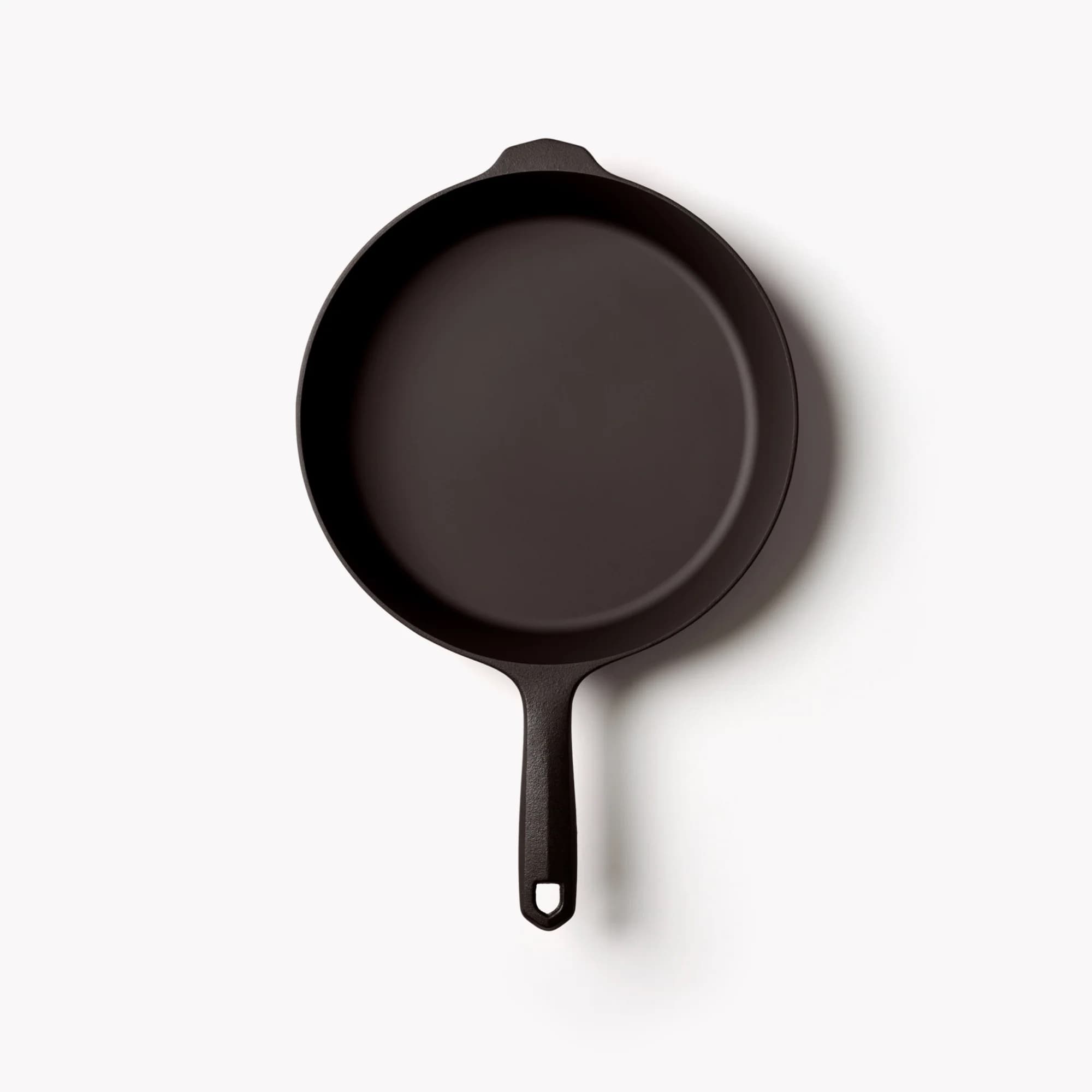
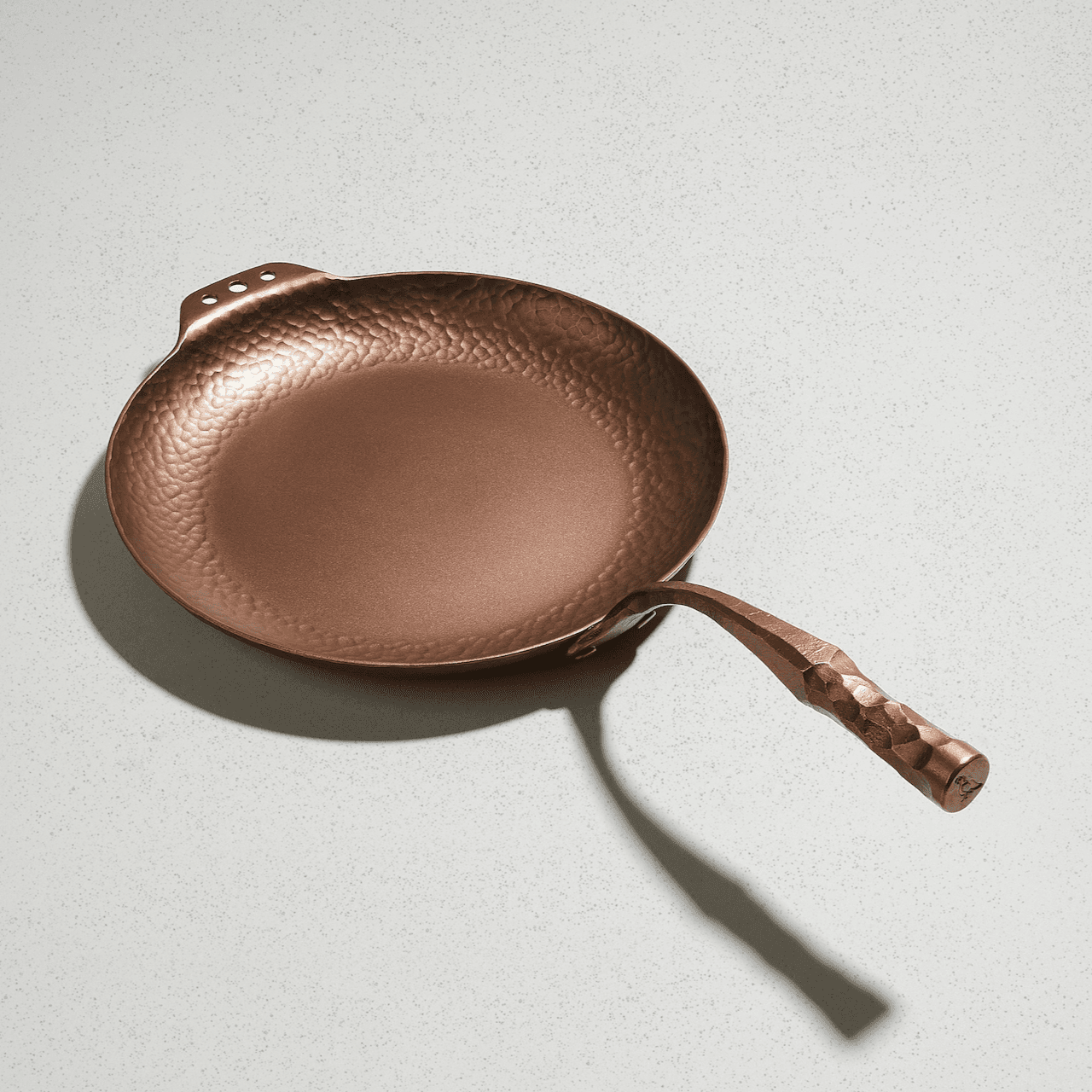
Smithey Carbon Steel Farmhouse Skillet
pan

Smithey Carbon Steel Farmhouse Skillet

The heirloom carbon steel skillet. Hand-forged in Charleston, SC. PFOA and PTFE free. Same zero-coating chemistry as Matfer, in a hand-hammered American-made body with a lifetime guarantee.

  • Hand-forged
  • Made in Charleston, SC
  • Lifetime guarantee
  • PFOA/PTFE free
WhySmithey's carbon steel is the premium step up from Matfer for the buyer who wants an American-made, hand-finished pan they'll pass down. Same chemistry as our pick (carbon steel, no coating, no PFAS), with a forged handle and a lifetime guarantee.
$300Read the review →
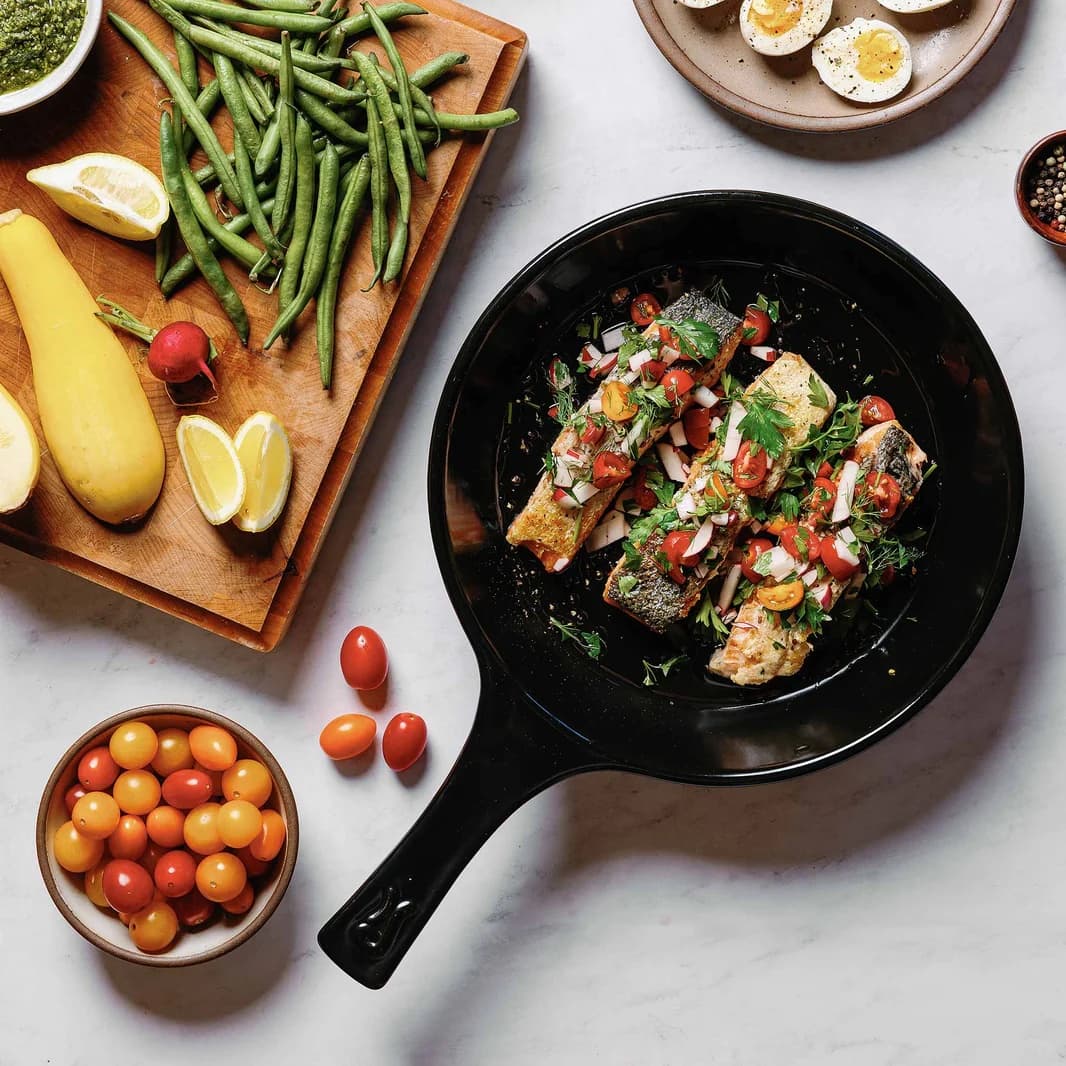
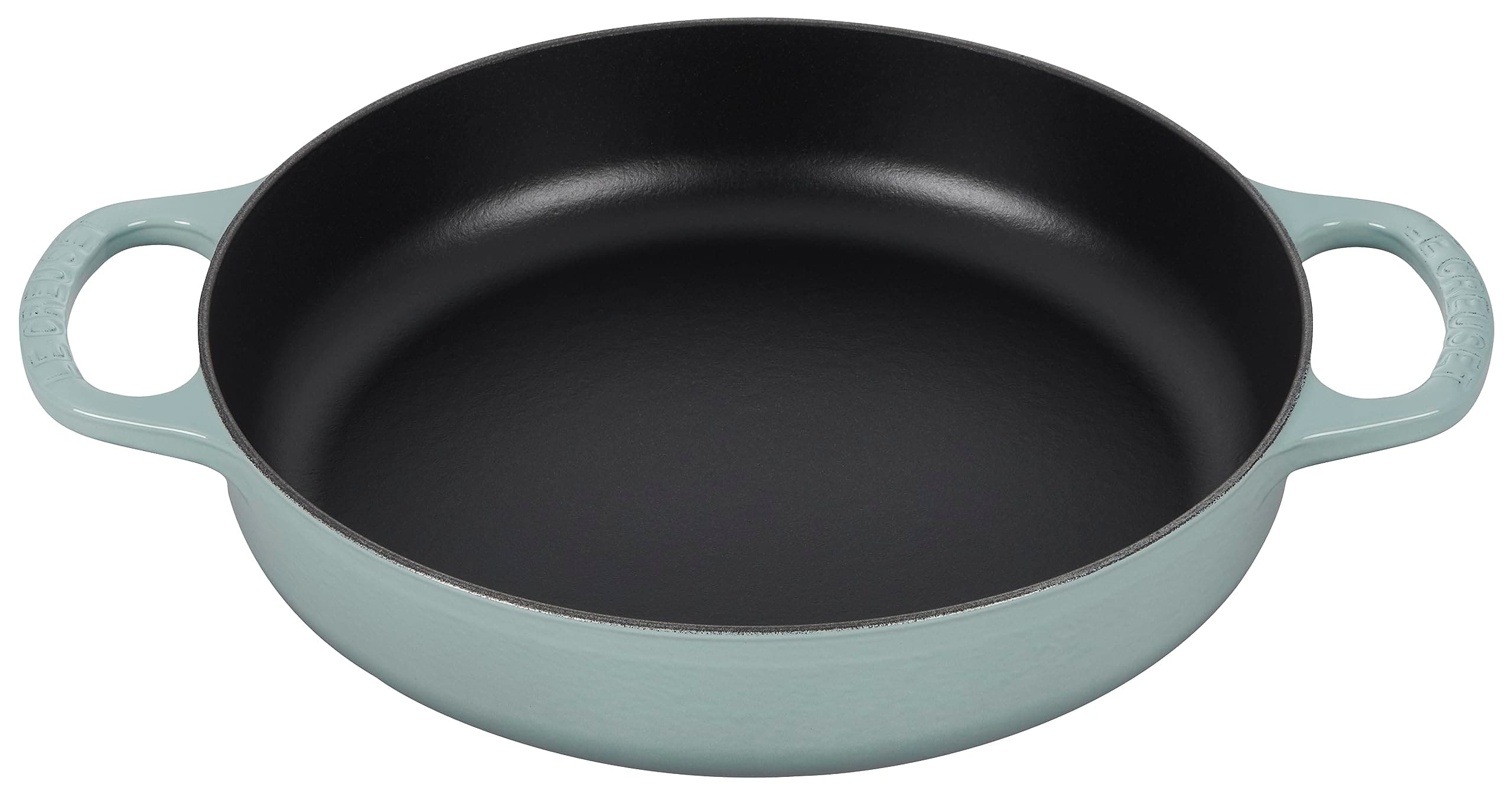
Le Creuset Signature Cast Iron Everyday Pan 11"Premium pick
pan

Le Creuset Signature Cast Iron Everyday Pan 11"

Enameled cast iron. The enamel surface is glass-like: zero coating chemistry, acid-tolerant, dishwasher-safe. Different category from bare cast iron.

  • Enameled surface
  • Made in France
  • Acid-tolerant
  • No seasoning required
WhyEnameled cast iron occupies a different lane: the porcelain enamel surface is non-reactive, so unlike bare cast iron you can deglaze with wine, simmer tomato sauce, and use without seasoning maintenance. Same heat retention as cast iron, brand pedigree, Amazon-channel availability.
$190Read the review →

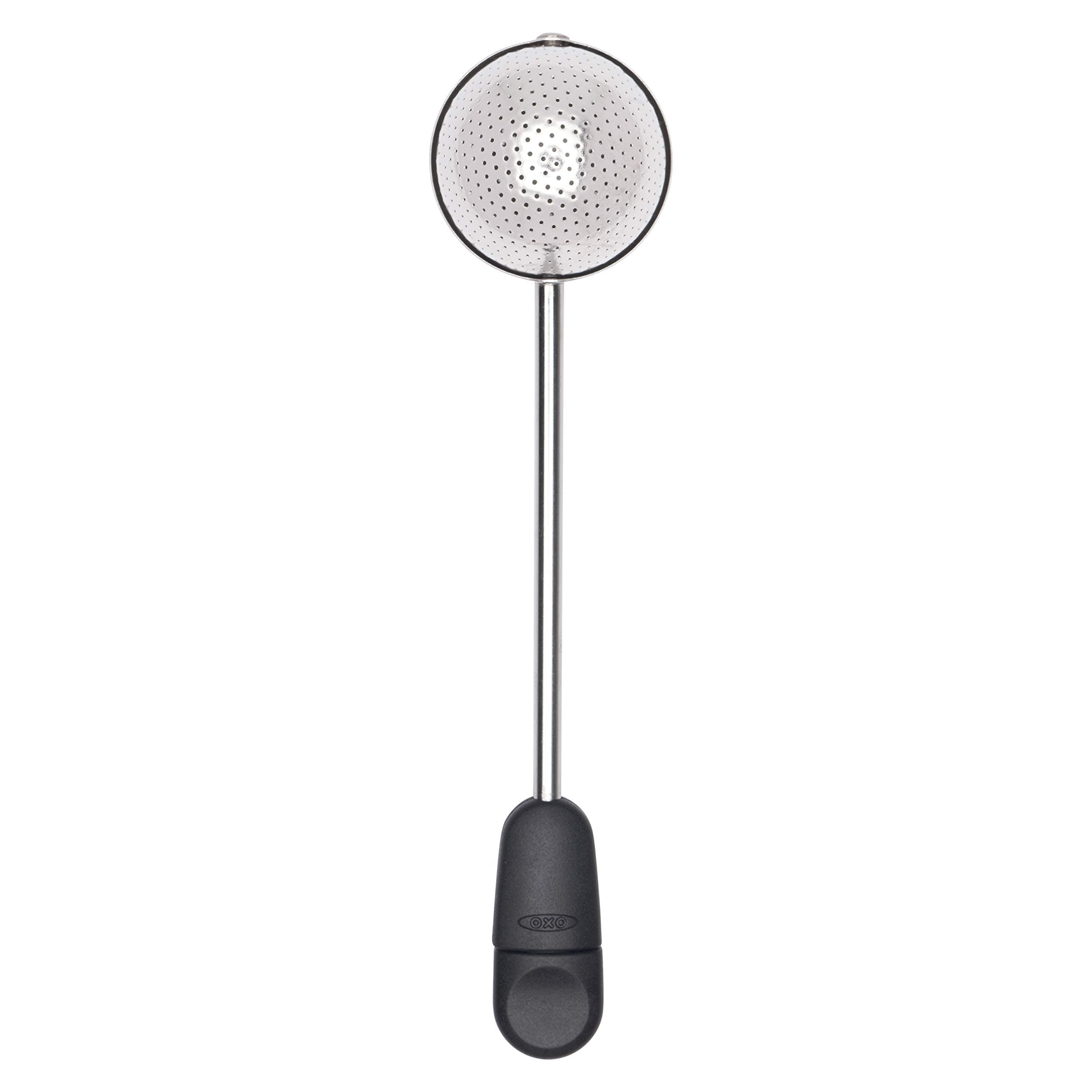
tools

1 pick

board

4 picks

storage

6 picks

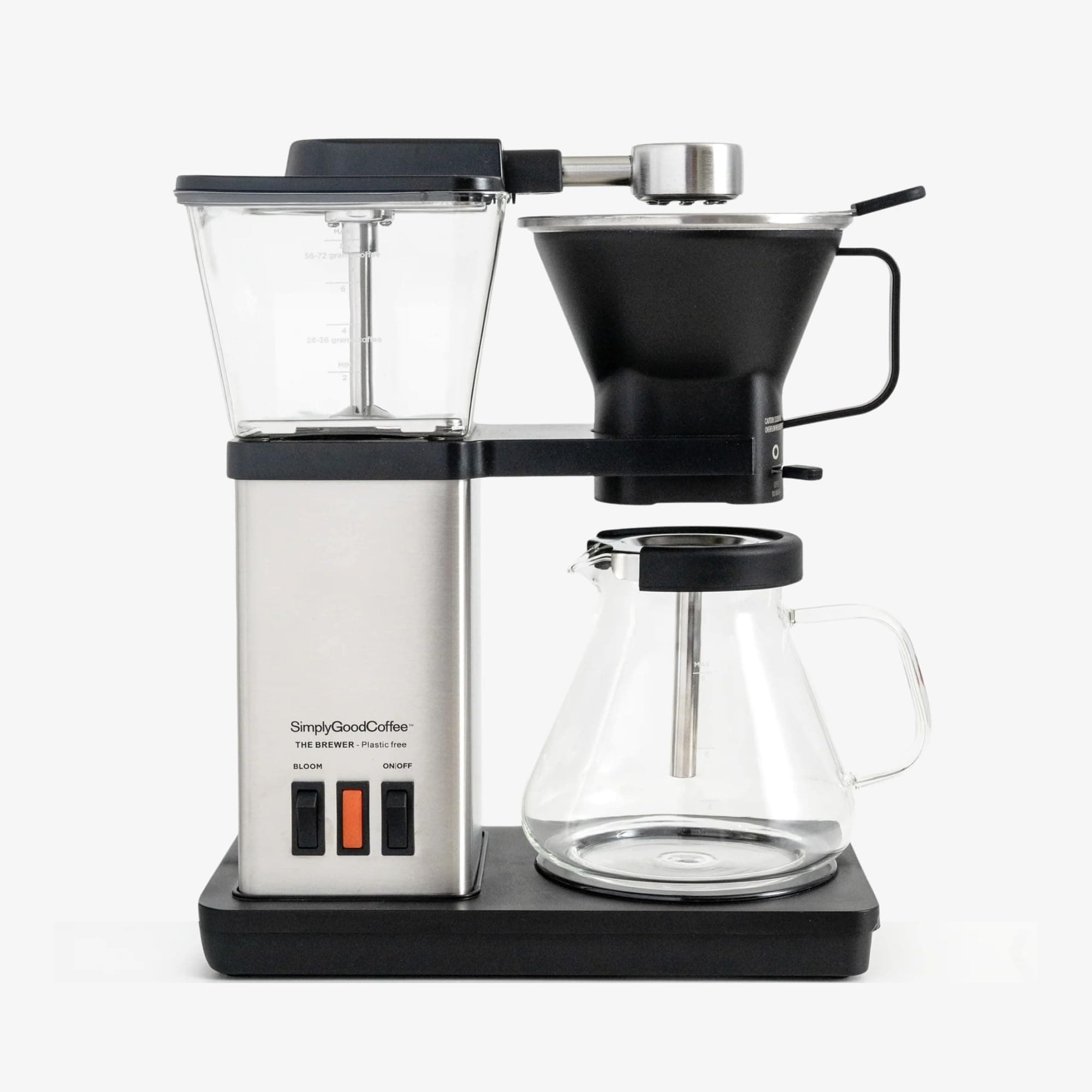
brewer

3 picks

cookware

2 picks
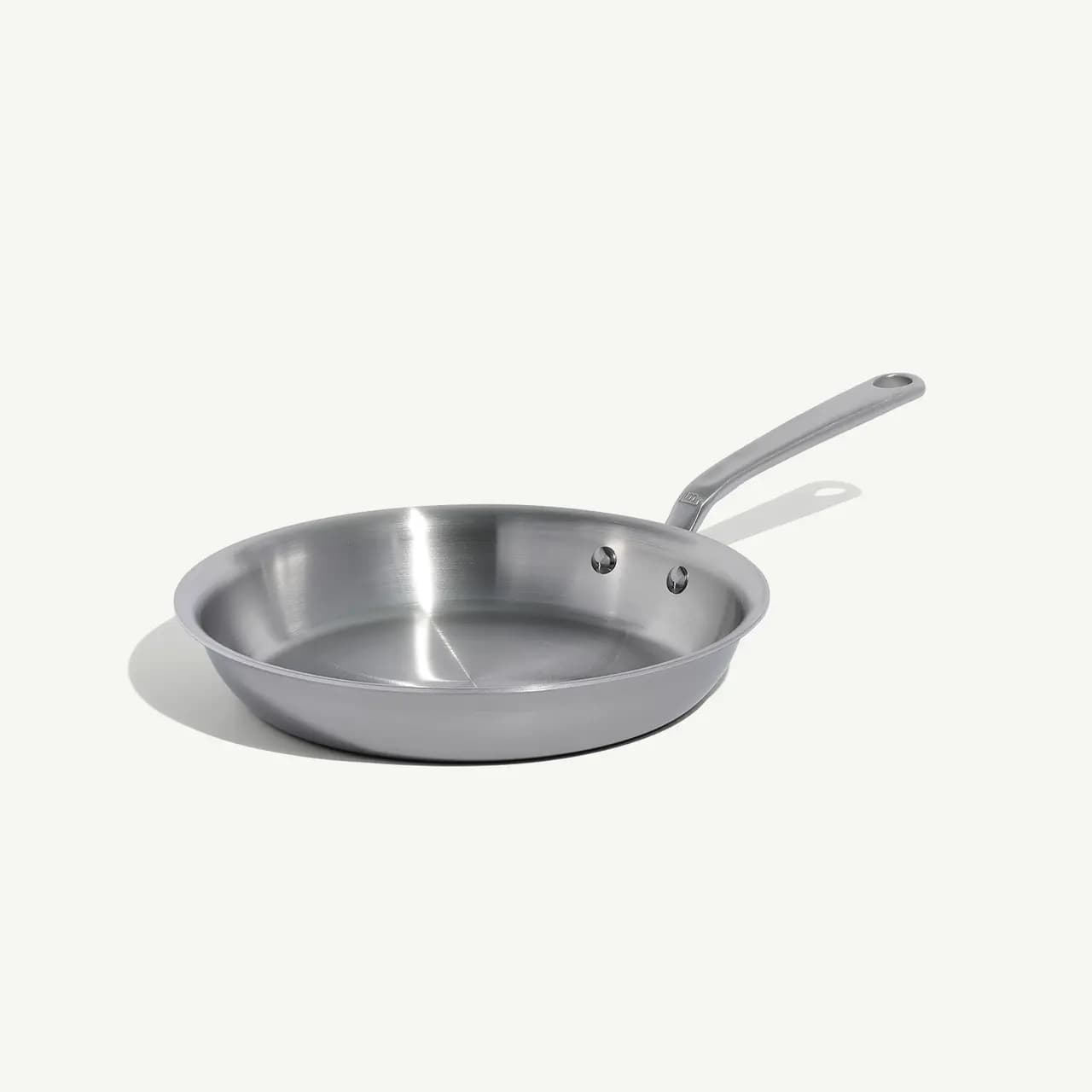
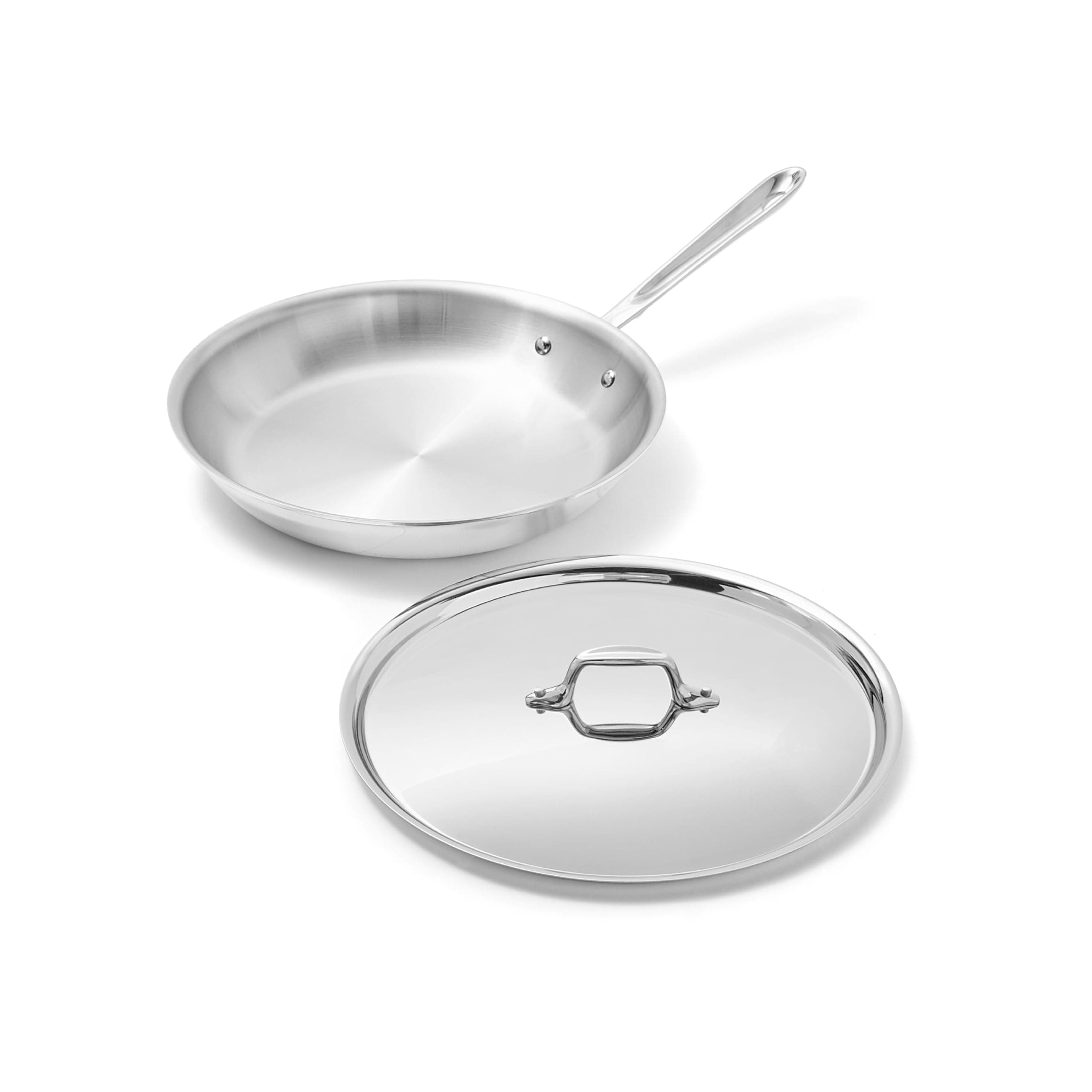
Made In 10-Piece Stainless SetPremium pick
cookware

Made In 10-Piece Stainless Set

Full 5-ply stainless cookware set. Frying pan, saucier, stockpot, sauté pan, plus lids. Made in France and Italy. Sold direct to consumer, no retail markup.

  • 5-ply construction
  • Induction-compatible
  • Oven-safe to 800°F
WhyThe complete-kitchen swap. If you're replacing nonstick across the board, the 10-piece set is meaningfully cheaper than buying each piece separately, and the consistency across the set (handle weight, finish) is something you only get from a single-brand purchase.
$829Read the review →

bags

2 picks

brew

3 picks
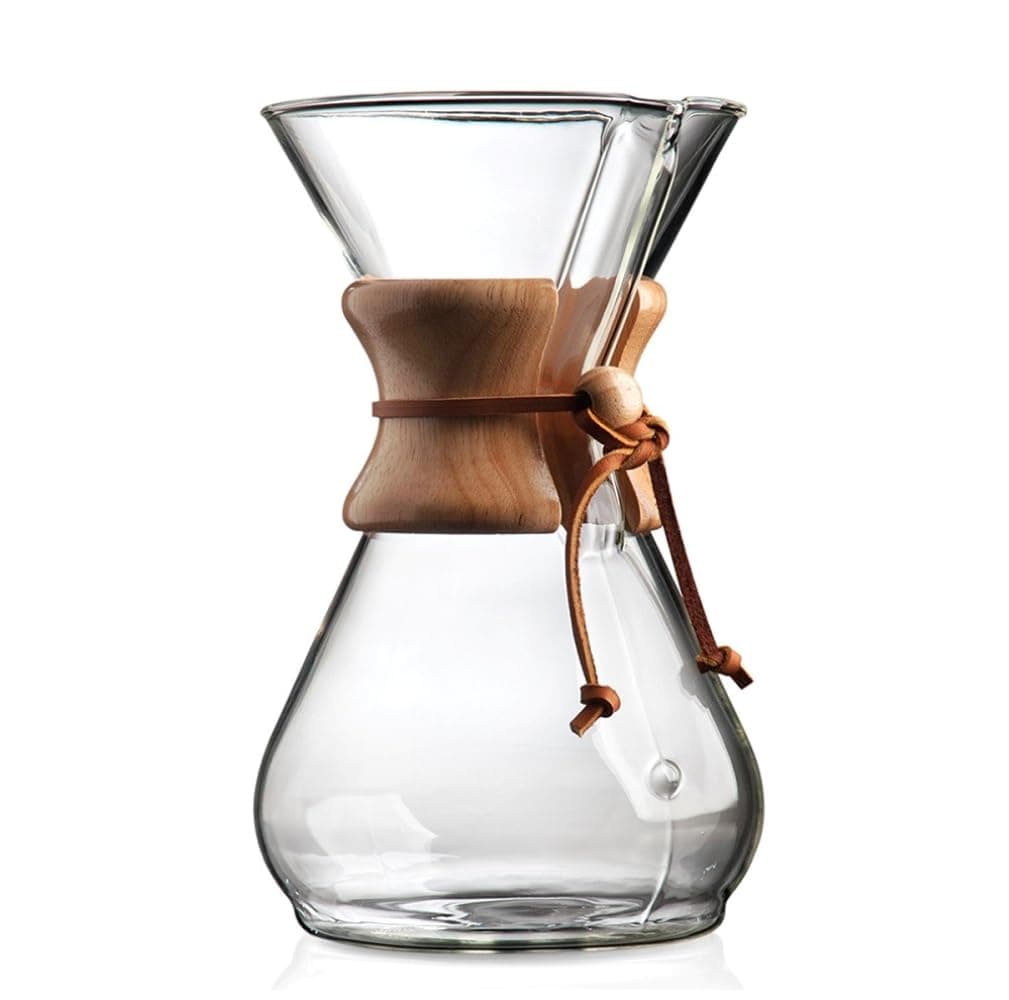
Chemex Classic Pour-Over 8-CupOur pick
brew

Chemex Classic Pour-Over 8-Cup

The iconic all-glass pour-over. No plastic in the water path, paper filter chain. The clean coffee brewing answer for forty years and counting.

  • All-glass body
  • Paper filter
  • Museum of Modern Art collection
WhyChemex is the canonical plastic-free coffee setup. The whole brewer is borosilicate glass; the only non-glass parts are the wooden collar and the rawhide tie around the neck. Paper filters mean no plastic in the brewing surface either.
$49Read the review →

tea

1 pick

kettle

1 pick
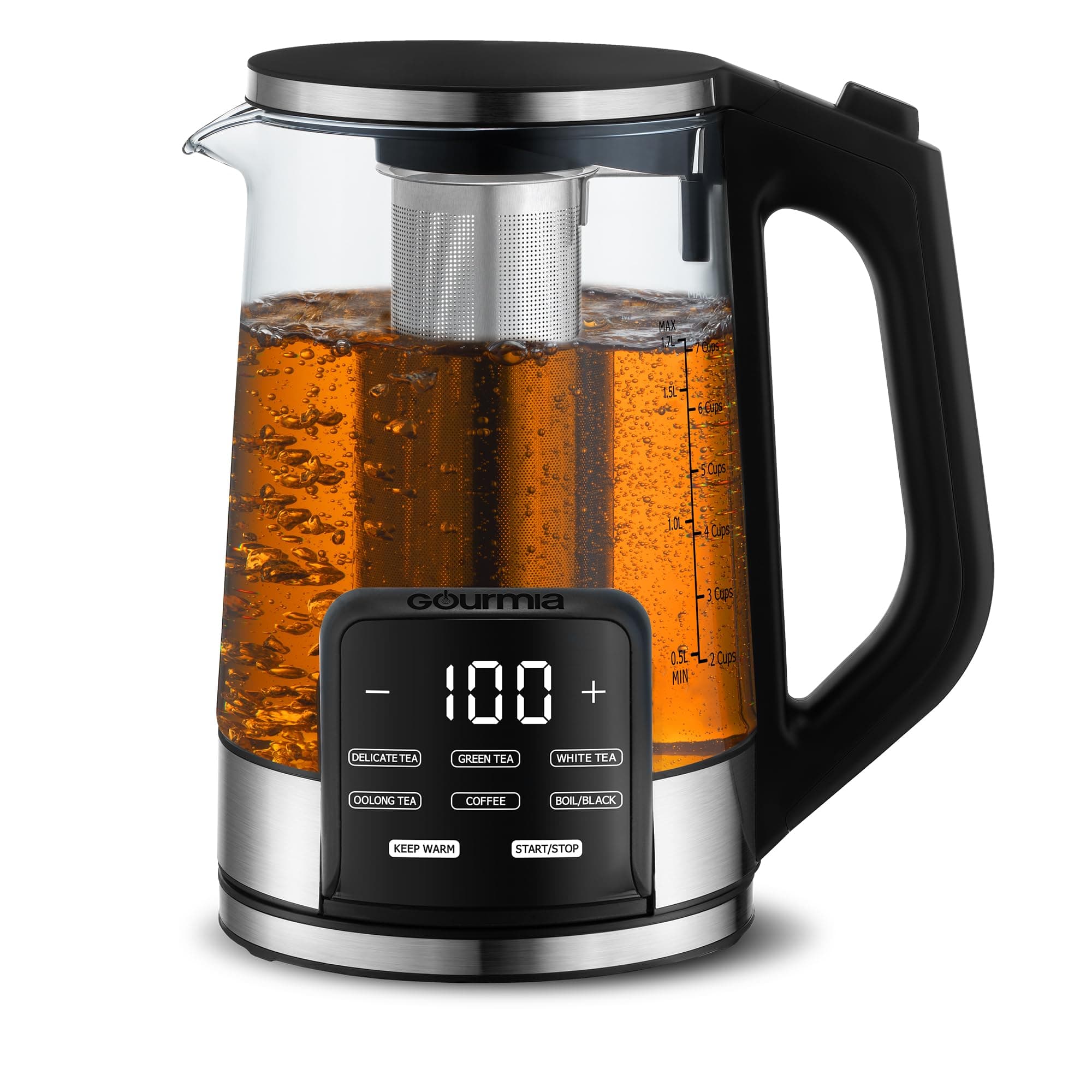
Gourmia Electric Glass Kettle 1.7LOur pick
kettle

Gourmia Electric Glass Kettle 1.7L

Borosilicate glass kettle with stainless heating base. No plastic in the water path. Variable temperature for tea, coffee, and recipes.

  • Variable temperature
  • Glass body
  • Stainless heating element
  • Keep-warm function
WhyMost electric kettles have a plastic water reservoir or a plastic lid mechanism. Gourmia's glass body keeps the entire heated water path plastic-free. The variable temperature makes it useful for both pour-over coffee and tea.
$90Read the review →

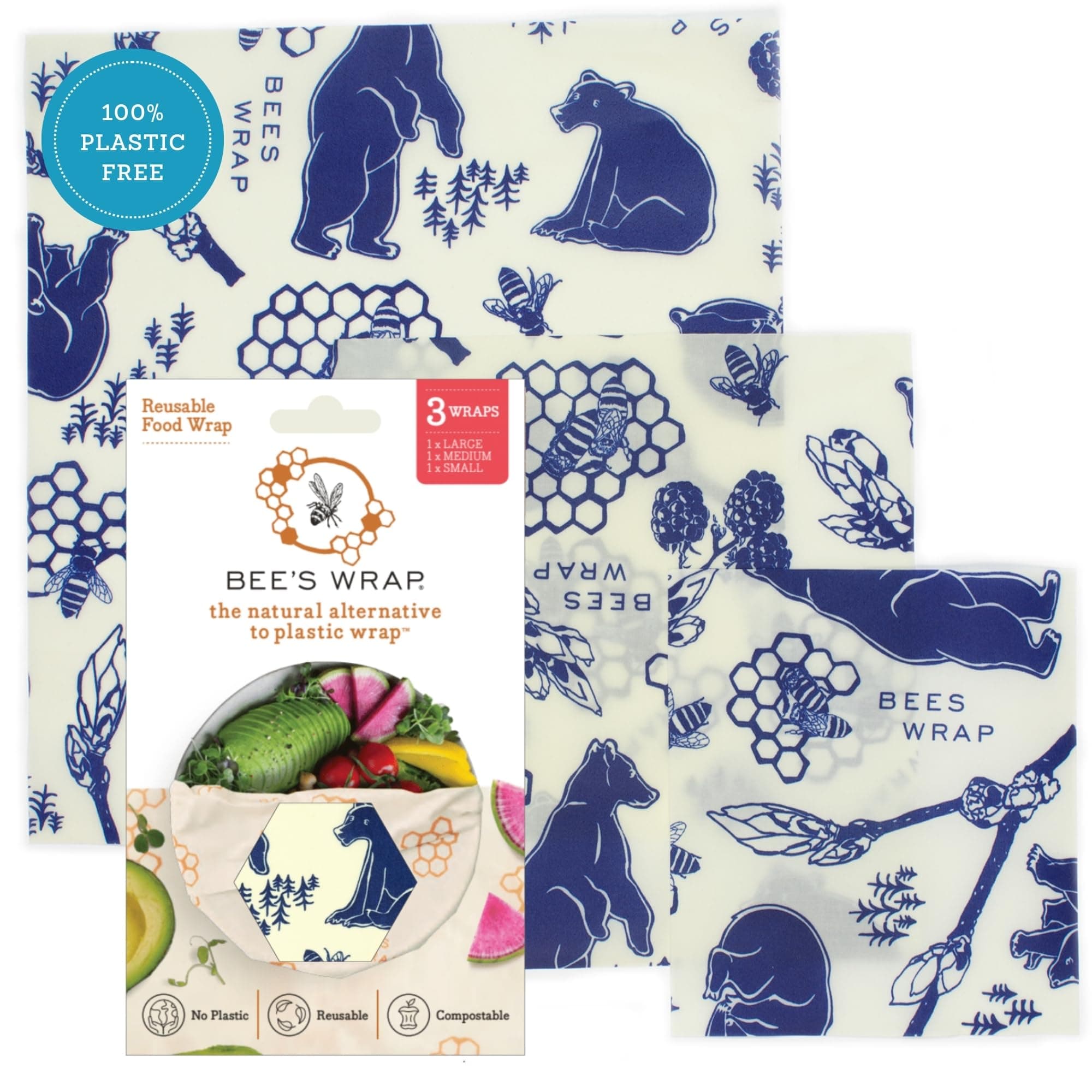
wrap

3 picks

The science

  • NIST · 2022

    Microplastic shedding from polyethylene cutting boards7 to 50 grams of microplastic per person per year shed directly into food being cut on a typical household plastic board.

  • McGill / Environmental Science & Technology · 2019

    Plastic teabags release microplastics into beveragesA single nylon pyramid teabag releases ~11.6 billion microplastic particles and ~3.1 billion nanoplastic particles into a cup at brewing temperature.

  • University of Amsterdam / Chemosphere · 2024

    Brominated flame retardants in black plastic kitchen utensils made from recycled e-wasteDecabromodiphenyl ether and related flame retardants detected in 70% of tested black plastic utensils; chemistry leaches into food at cooking temperatures.